








Omega 3 Fatty acids
Lycopene in Tomatoes and Prostate Cancer
Omega 3 fatty acids and Cholesterol & Heart Disease
Written by Gloria Tsang R.D.
last updated: July 2005
Researchers started to focus on omega 3 fatty acids in early 80s when studies found that Eskimos had a lower rate of heart diseases despite consuming a higher-fat diet rich in fish.
Let me first address the issue of fat. Fat seems to receive a lot of reprimand but the fact is we all need fat; fat helps nutrient absorption, nerve transmission, maintaining cell membrane integrity etc. However, when consumed in excess amount, fat contributes to weight gain, heart disease and certain types of cancer. But saturated and trans fatty acids are more responsible to the statement above; while other polyunsaturated fats such as omega 3 fatty acids seem to offer a protective effect.
Omega 3 |
|
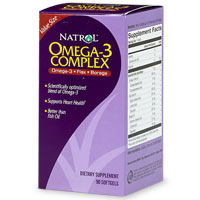

Benefits of Omega 3 Fatty Acids in Heart Disease and Cholesterol
Omega 3 fatty acids are poly-unsaturated fatty acids. Studies show that diet rich in omega 3 fatty acids may help lower triglycerides and increase HDL cholesterol (the Good cholesterol). Omega 3 fatty acids may also act as an anticoagulant to prevent blood from clotting. Several other studies also suggest that these fatty acids may help lower high blood pressure.
Potential Benefits of Omega 3 Fatty Acids in Alzheimer's
Omega-3 fatty acid, may protect against the accumulation of a protein believed to be linked to Alzheimer's disease, according to the results of a new animal study published in the March 2005 issue of The Journal of Neuroscience. This study specifically investigated one particular kind of omega 3 fatty acids - DHA Docosahexaenoic acid.
Written by: Gloria Tsang, RD
Published in September 2004; last updated in July 2006
 Lycopene, a powerful antioxidant, is found abundant in tomatoes and tomato products. Studies found that lycopene may help reduce some cancer and heart disease. The most compelling evidence so far is the role of lycopene in prostate cancer prevention.
In a study of over 40,000 health professionals, Harvard investigators found that men who ate more than 10 servings tomato-based foods daily (like cooked tomatoes and tomato sauce,) had a 35 percent lower risk of developing prostate cancer than those who ate the least amount of these foods. The benefits of lycopene was more pronounced with advanced stages of prostate cancer.
Lycopene |
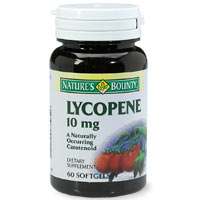
In another study of prostate cancer, researchers looked at blood levels of lycopene and found that the risk of developing prostate cancer, especially aggressive cancer, decreased with increasing blood lycopene levels. Men taking 50mg of lycopene daily had significantly higher level of lycopene. In this study, researchers found that high level of lycopene in the blood was associated with low PSA (prostate specific antigen) levels. High PSA levels in blood are often a sign of prostate cancer.
Enjoy the benefits of lycopene by eating more tomatoes and processed tomato products. Indeed, research showed that lycopene is better absorbed by the body when tomatoes are processed. It is due to the fact that lycopene is bound to tomato's cell structure; processing releases lycopene from the cell structure.
Lycopene Content in Foods (mg/100g) |
|
|
|
|
|
|
|
|
|
Watermelon |
5 - 11.1 |
|
|
|
|
|
|