







Oily Marine Fish
Complaints of Oily Diarrhoea after Consuming Certain Types of Marine Fish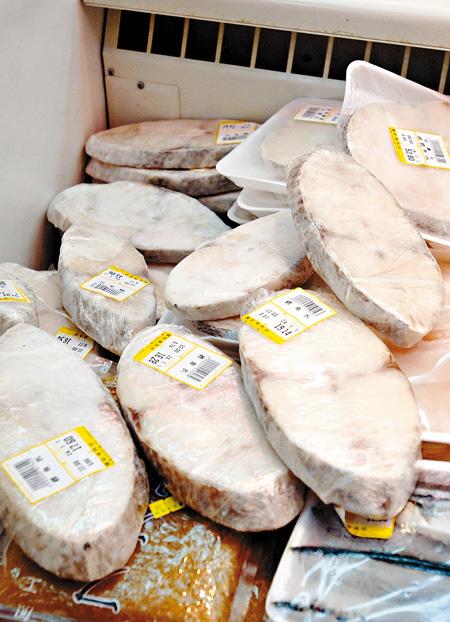
Background
Recently, the Centre for Food Safety (CFS) has received complaints from members of the public regarding onset of oily diarrhoea (keriorrhoea) after consumption of fish products labelled as “codfish”. The symptoms are suspected to be related to the presence of indigestible wax ester in certain species of marine fish (e.g. escolar and oilfish). The fish in question was believed to be oilfish marketed as codfish or using names similar to codfish. Cases of oily diarrhoea in association with consumption of marine fish such as escolar and oilfish have also been reported in Australia and the United States previously.
Action Taken by the CFS
The CFS carried out investigation following receipt of the complaints, and suspected that the symptoms were caused by the wax ester present in the fish products that the complainants had consumed. Acting upon the CFS's advice, the retailer concerned had withdrawn the sale of the relevant frozen fish products. The CFS will continue to closely monitor the situation and take action as appropriate.
What is Wax Ester?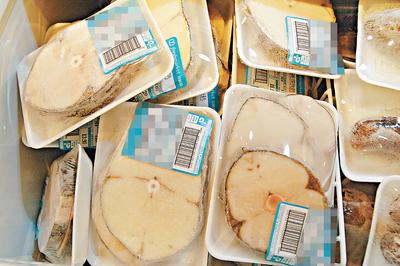
Wax ester, known as gempylotoxin, is naturally present in certain species of marine fish such as escolar (Lepidocybium flavobrunneum) and oilfish (Ruvettus pretiosus). In humans, wax esters are indigestible and thus accumulate in the rectum and may cause oily diarrhoea (keriorrhoea) and discomfort ranging from stomach cramps to rapid loose bowel movements. Not all people are affected. Symptom onset time ranges from 30 minutes to 36 hours after consumption of the fish. Recovery is expected within 24 to 48 hours in affected individuals.
There has been problem with identification of the relevant fish species in different countries. For example, escolar has been marketed using different names such as butterfish, rudderfish, sea bass, snake mackerel, castor oil fish, waluu, or gemfish.
Advice to the Trade
- If you are engaged in a business of fish trading, confirm the species of the fish that you are importing and marketing, including oilfish and related species.
- When selling fish and fish products, verify the correct fish names, especially the prepackaged ones, before they are properly marked and labelled.
- If you are a food caterer or manufacturer, obtain your fish supplies from reliable sources, such as approved fish wholesale markets and reputable fish importers. Avoid buying fish from improper channels.
- As escolar, oilfish and related fish species may cause oily diarrhoea in some people, they are not suitable for catering purposes.
- Check incoming materials carefully including reading of labels to ensure escolar, oilfish and related fish types are not sold as codfish to you.
Advice to the Public
- When selecting foods, consumers should be aware of the possible health effects associated with eating escolar, oilfish and related species.
- Should you have any doubt about the type of fish, seek more information and clarification from the seller before buying.
- Maintain a balanced diet with a variety of food.
- Seek medical advice if gastrointestinal symptoms develop.
Further Information
Further information about the incident can be obtained from the following webpages:
Centre for Food Safety
Food and Environmental Hygiene Department
23 January 2007
Reference:http://www.cfs.gov.hk/english/whatsnew/whatsnew_fa/whatsnew_fa_07_oilfish.html